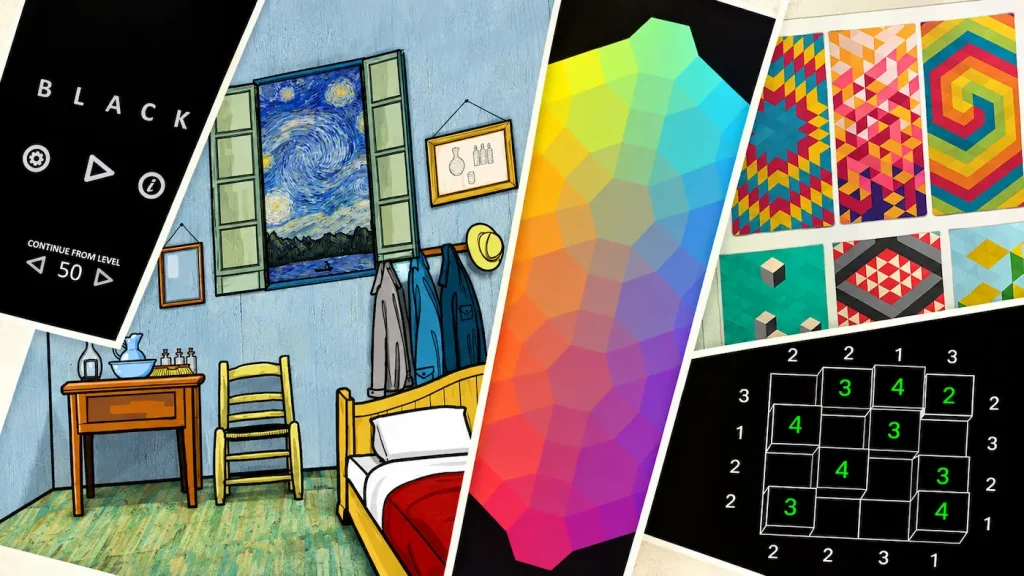
The best free puzzle games for Android offer meaningful challenges without requiring an upfront purchase. Touchscreens suit these games because tapping, dragging, and rearranging objects lets you test an idea directly on the puzzle itself.
This selection covers five different approaches: discovering hidden rules, solving escape-room mysteries, sorting colors, planning color changes, and working through traditional logic puzzles. Each game offers playable content without a subscription, although most include advertising or optional purchases.
Google Play ratings were checked on October 6, 2026 and refer to the scores displayed at the top of the checked US listings. Ratings, availability, and purchase options may vary by region and device.
What Makes a Great Free Android Puzzle Game?
A great free Android puzzle game provides substantial playable content, clear touch controls, and problems that reward understanding. Its free version should offer enough of the actual game to judge whether the mechanics suit you.
Three criteria guide this selection:
- Mechanical depth: Difficulty should grow through interesting relationships between rules, objects, or moves. Simply expanding a board does not necessarily make a puzzle better.
- Transparent monetization: Players should understand whether purchases provide hints, remove ads, or unlock content. Free installation alone tells you little about the cost of continued play.
- Touch-native design: Selecting a tile, examining an object, or entering a solution should be straightforward on a phone screen.
All five games meet the requested minimum of 4.5 stars in the checked Google Play listings. The selection includes both completely free software and games supported by ads, with the differences explained below.
Top Recommended Free Android Puzzle Games
black
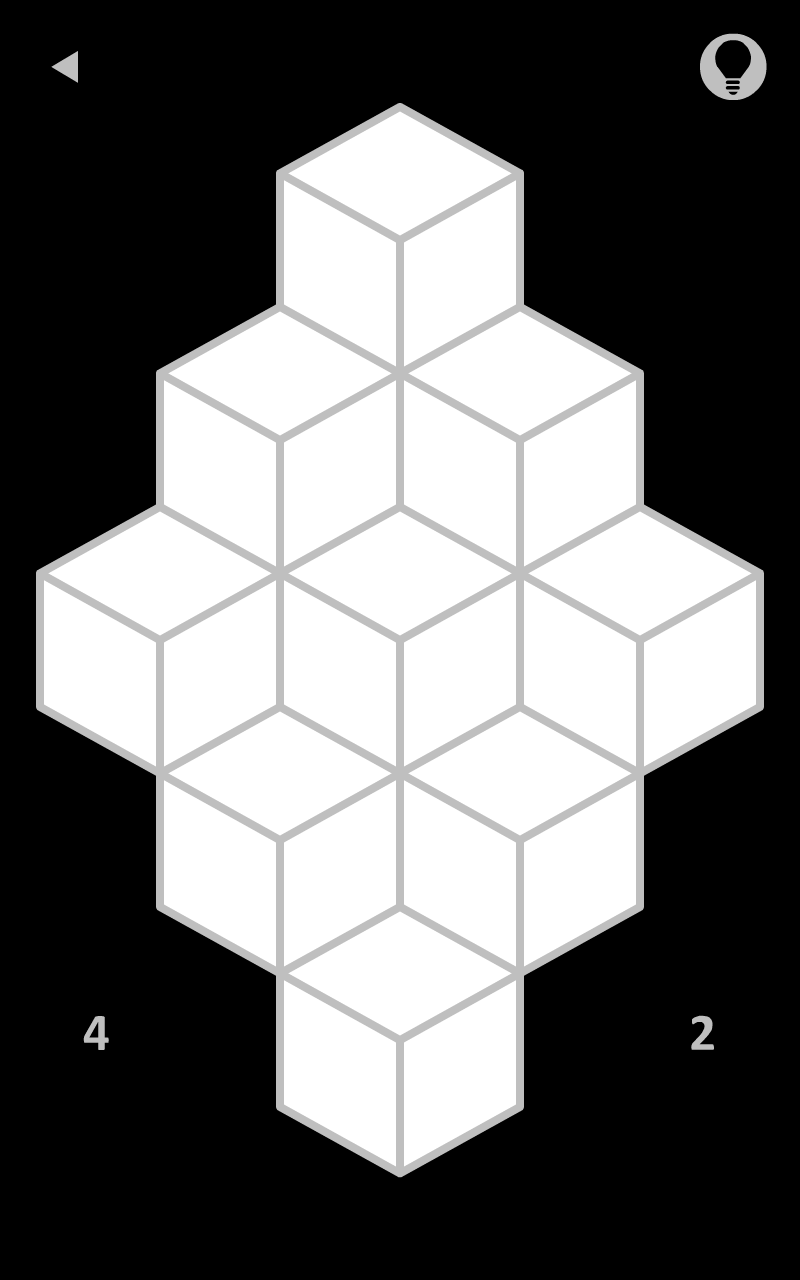
black is a minimalist puzzle game in which every level asks you to turn the screen completely black. The objective stays the same, but the interaction needed to achieve it changes from one puzzle to the next.
Developer: Bart Bonte
Google Play rating: 4.6/5
The Core Hook
Rather than teaching one mechanic and extending it across the whole game, black presents 50 levels with their own logic. You must discover what the visible elements do and how your actions affect them.
Controls vary between puzzles and can involve tapping, dragging, holding, or performing a sequence of gestures. Identifying the correct interaction is part of solving the level.
Player Experience
black favors experimentation and close observation. A useful first step is to try an action, watch what changes, and decide whether that response suggests a rule.
Because each level can introduce a different idea, difficulty does not necessarily rise in a straight line. A puzzle that initially seems obscure may become simple once you identify its interaction, while the next may test a different habit.
That variety suits players who enjoy short discoveries. The limitation is its finite scope: this is a compact collection, rather than an endless supply of boards.
Monetization & Offline Play
Monetization: Free with advertising associated with hints, plus an optional No Ads purchase.
The developer explains that hints are available through a light-bulb button and that the purchase removes ads shown before hints. Payment is not a level-unlock requirement described in the listing.
Offline play: Google Play labels black as offline. Ad-supported hints depend on ad availability, so offline puzzle access should not be confused with guaranteed access to every hint.
Best for: Players who enjoy discovering hidden rules and solving compact gesture-based puzzles.
Cube Escape Collection
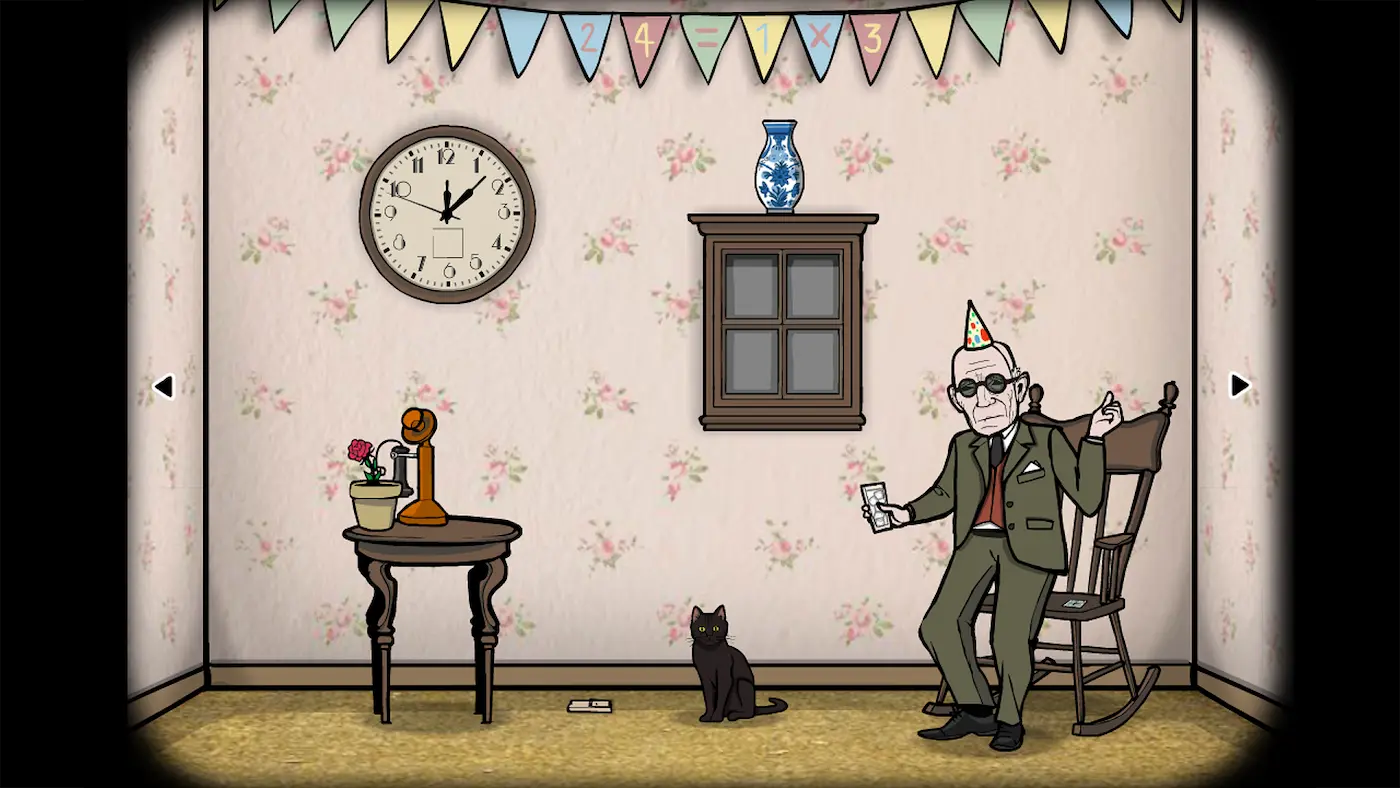
Cube Escape Collection is a point-and-click puzzle anthology containing nine connected chapters from Rusty Lake’s mystery series. It suits players who prefer searching rooms, interpreting clues, and using objects to advance a story.
Developer: Rusty Lake
Google Play rating: 4.6/5
The Core Hook
The collection includes Seasons, The Lake, Arles, Harvey’s Box, Case 23, The Mill, Birthday, Theatre, and The Cave. These chapters introduce the unsettling Rusty Lake setting and its recurring characters and events.
You tap to inspect scenes, collect objects, and interact with mechanisms. Inventory items and clues provide the means to open compartments, complete sequences, and change what is accessible.
The game holds Google Play’s Editors’ Choice designation.
Player Experience
The challenge combines observation with interpretation. Finding an object is only the first step; you must work out where it belongs and what its use changes.
Its surreal setting also affects the puzzle logic. Players who expect every interaction to follow ordinary real-world behavior may find some solutions less intuitive than those in a conventional mechanical puzzle game.
Separate chapters provide natural stopping points, although remembering unresolved clues helps during longer sessions. Horror imagery, blood, and disturbing events make this a different experience from the calmer games below.
Monetization & Offline Play
Monetization: Free with ads and optional in-app purchases.
The Android edition provides the nine-chapter collection as a free download. The listing identifies advertising and purchases, so it should not be described as an ad-free game. Check the current in-app purchase screen for exactly what an optional purchase includes.
Offline play: Google Play labels the game as offline. This applies to the core adventure, rather than advertising or purchase services.
Best for: Escape-room enthusiasts and mystery fans comfortable with surreal horror.
I Love Hue Too
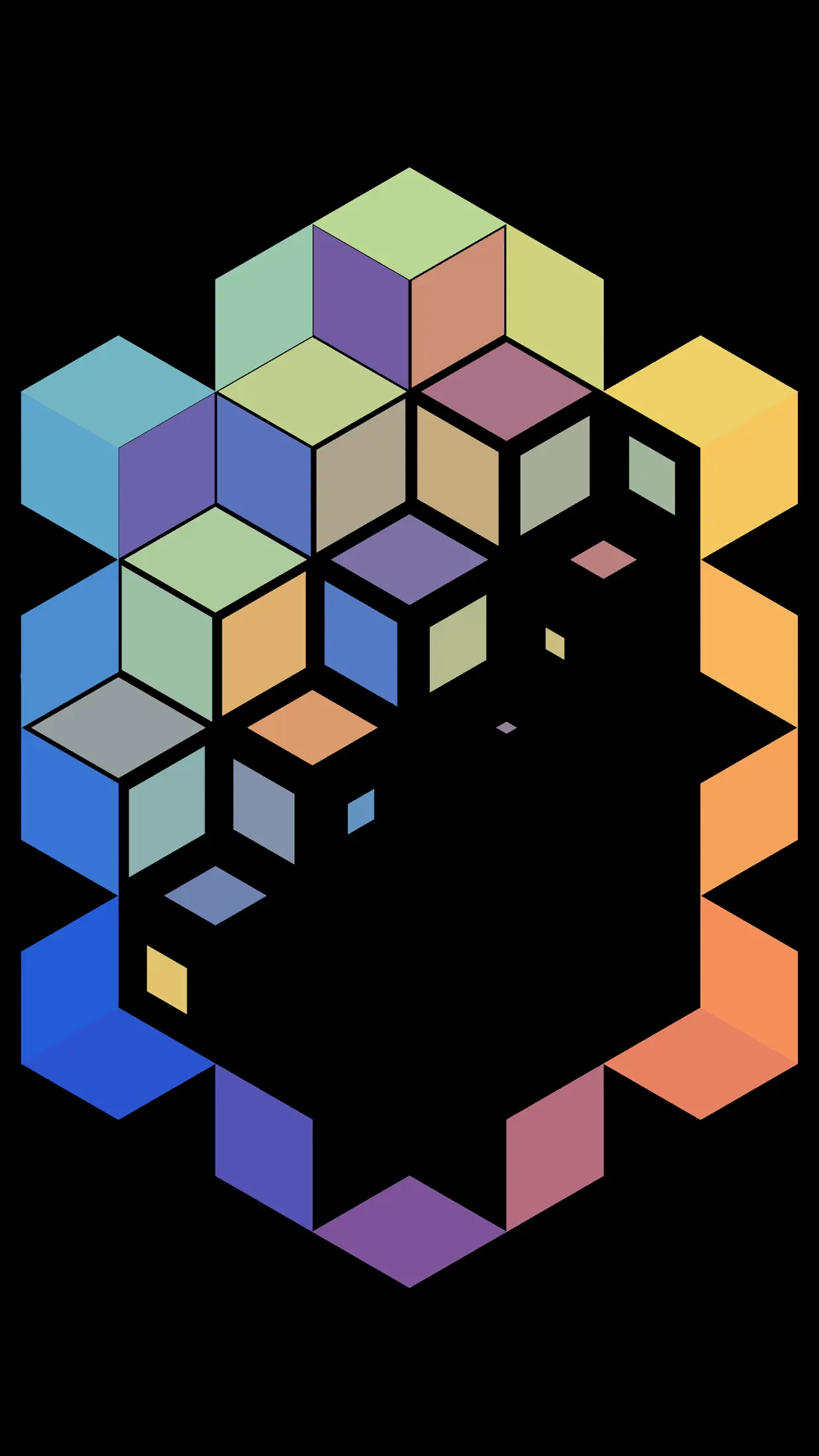
I Love Hue Too is a color-sorting puzzle game about arranging tiles into consistent gradients. Its challenge comes from comparing neighboring shades and recognizing where each color belongs within a larger pattern.
Developer: Zut!
Google Play rating: 4.8/5
The Core Hook
You drag colored tiles between positions until the board forms an ordered spectrum. Different geometric arrangements change how those gradients extend across the puzzle.
The developer advertises more than 1,900 levels and over 30 geometric tiling patterns. The variety comes from both the colors and the structure containing them.
Player Experience
A tile can look plausible in isolation while being wrong in relation to its neighbors. Solving a board requires moving between local comparisons and the overall color progression.
Subtler differences between shades make visual judgment harder without adding lengthy instructions. More complicated arrangements also require you to determine how a gradient continues through the board.
This makes I Love Hue Too suitable for patient, repetitive concentration. Color perception is essential, however, so players with color-vision differences may find particular puzzles difficult to interpret.
Monetization & Offline Play
Monetization: Free with ads and optional in-app purchases.
An optional Remove Ads purchase is documented in Android release notes. Google Play Pass provides an alternative without ads or in-app purchases, but a subscription is not required to download the ordinary free version.
Advertisements are the main trade-off for choosing the free edition. Their frequency and duration should not be assumed to remain identical across versions or devices.
Offline play: Google Play labels the game as offline. Purchases and ad delivery are separate connected services.
Best for: Color-sorting fans and players who prefer visual patterns to numerical or written problems.
KAMI 2
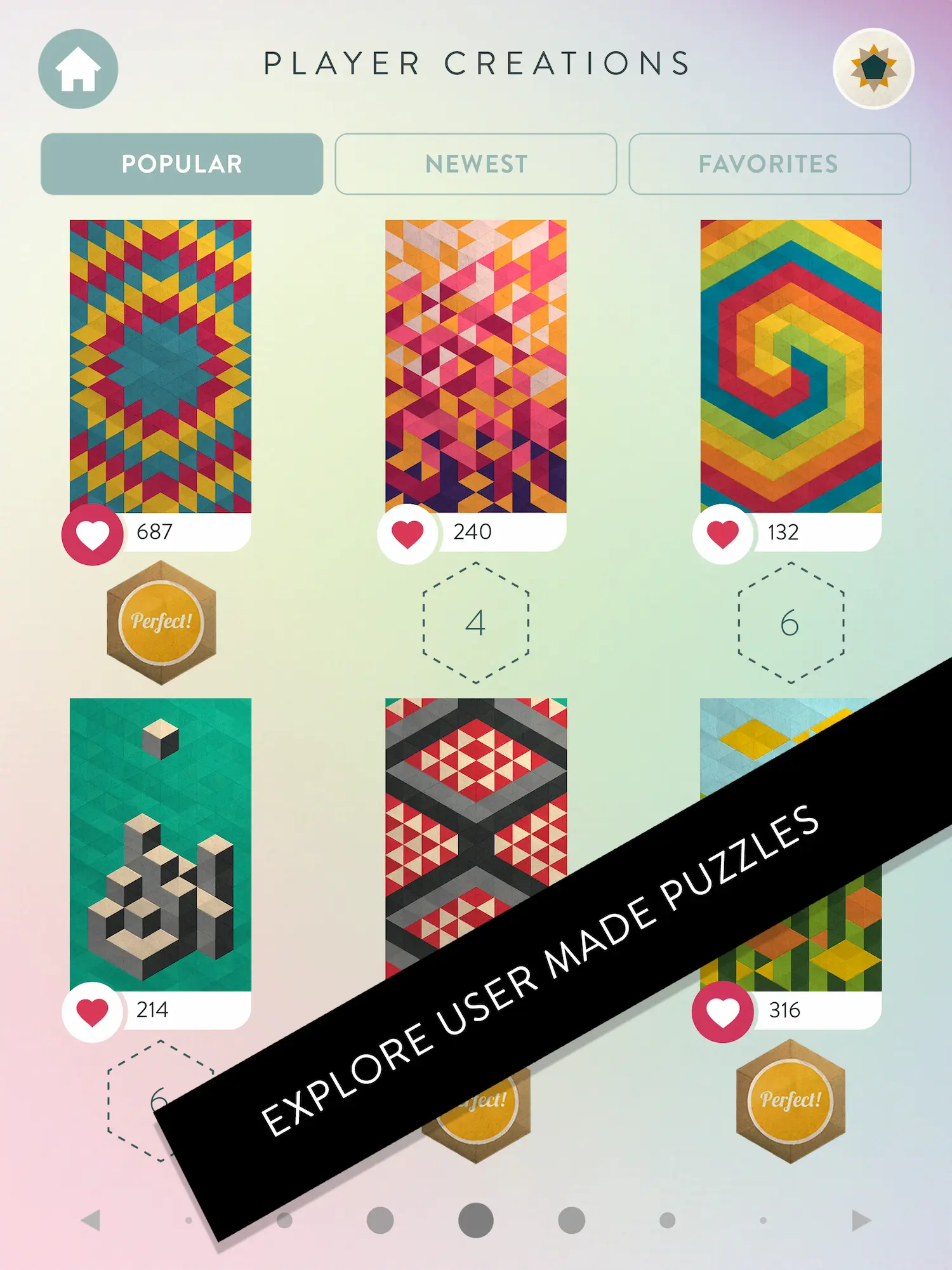
KAMI 2 is a color-manipulation puzzle game in which you turn an entire board into one color using a limited number of changes. It rewards planning the order of moves, rather than simply selecting matching pieces.
Developer: State of Play
Google Play rating: 4.5/5
The Core Hook
Select a color and tap a region to recolor it. When neighboring regions share a color, their connection changes the possibilities for later moves.
The challenge is reaching a single-color board within the required move allowance. The mobile listing advertises more than 100 handcrafted puzzles, alongside daily challenges and a large collection of player-created boards.
KAMI 2 also holds Google Play’s Editors’ Choice designation.
Player Experience
Early boards introduce the relationship between recoloring and connected regions. Later problems require thinking further ahead: a move that appears to simplify the board immediately may leave too many separate regions to finish within the allowance.
Its paper-like presentation is calm, but the move constraints can make the reasoning demanding. It is a good fit for players who enjoy comparing possible sequences and revising a plan.
The distinction from I Love Hue Too is substantial. I Love Hue Too asks where a shade belongs; KAMI 2 asks which color change should happen next.
Monetization & Offline Play
Monetization: Free with ads and optional purchases, including hints.
Specialist Android coverage documents both advertising interruptions and rewarded ads, alongside hint purchases. You can attempt puzzles without buying hints, but frequent reliance on assistance may make the free experience less appealing.
Offline play: Google Play labels KAMI 2 as offline. Its built-in Journey puzzles support offline play; accessing shared puzzles and connected challenge features requires internet access.
Best for: Players who enjoy move-limited logic and planning several steps ahead.
Simon Tatham’s Puzzles
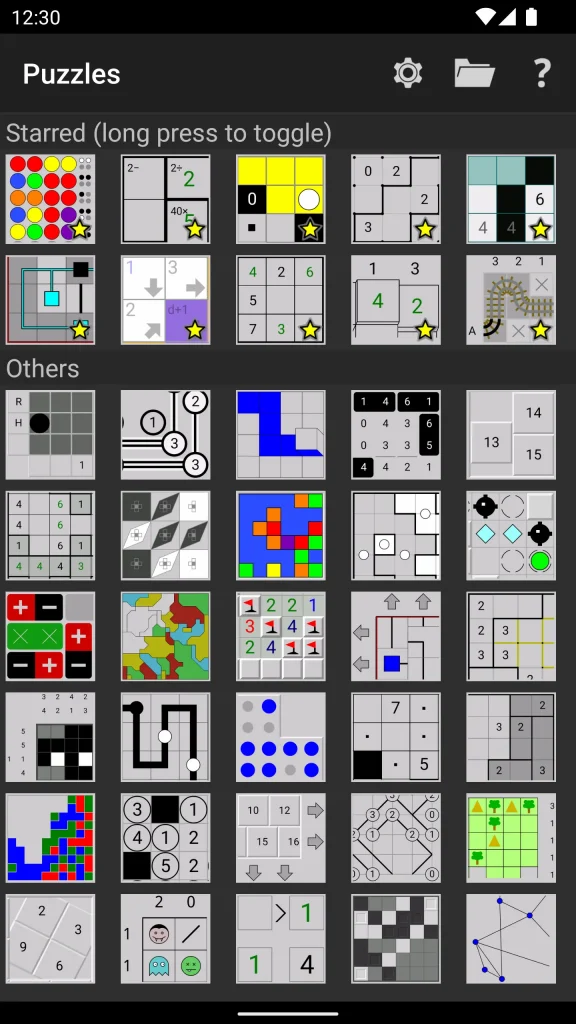
Simon Tatham’s Puzzles is a collection of 40 traditional logic games with boards generated on demand. It is the clearest choice here for players who want free offline puzzles without advertising or paid extras.
Android developer: Chris Boyle
Google Play rating: 4.9/5
The Core Hook
The collection offers different forms of deduction rather than one overarching campaign. Examples include Solo, a Sudoku-style game; Pattern, a nonogram-style puzzle; and Net, which involves arranging connected network components.
Board generation and adjustable settings let you select the size and difficulty of supported puzzle types. You can return to a preferred format without depending on a fixed sequence of handcrafted levels.
Controls vary by game, using taps, long presses, and optional on-screen direction keys. Pinch-to-zoom and a setting that swaps press and long-press behavior help accommodate smaller screens.
Player Experience
The main advantage is control over the challenge. You can select a familiar format for a short session or increase the difficulty when you want more demanding deduction.
Its functional interface puts the puzzle first. It offers little of the narrative or presentation found in Cube Escape Collection, but that simplicity suits players who want to concentrate on rules and solutions.
The learning curve depends on the selected game. Familiar formats are easy to approach; less familiar ones may require reading the instructions before the controls and objectives make sense.
Monetization & Offline Play
Monetization: Completely free, with no ads or advertised in-app purchases.
The developer explicitly describes the Android port as free and ad-free. There is no subscription requirement.
Offline play: Yes. Puzzles are generated on the device, so new boards do not need to be downloaded from a server.
Best for: Sudoku and nonogram fans, regular logic-puzzle players, and anyone who wants an ad-free option.
Quick Comparison: Choose Your Free Puzzle Game
The main differences are the kind of reasoning required and how the free version is supported. Use this list to choose a starting point.
black – Best for Discovering Hidden Rules
- Puzzle type: Experimental logic and gesture puzzles.
- Offline play: Yes, for core levels.
- Free model: Ads before hints; optional No Ads purchase.
- Choose it if: You enjoy figuring out how an unfamiliar puzzle works.
- Main limitation: A finite collection of 50 levels.
Cube Escape Collection – Best for Mystery Stories
- Puzzle type: Point-and-click investigation and escape-room puzzles.
- Offline play: Yes, for the core adventure.
- Free model: Ads and optional in-app purchases.
- Choose it if: You enjoy objects, clues, and connected stories.
- Main limitation: Surreal logic and disturbing imagery will not suit everyone.
I Love Hue Too – Best for Color Sorting
- Puzzle type: Gradient arrangement and color perception.
- Offline play: Yes, for core puzzles.
- Free model: Ads and optional purchases; paid Play Pass alternative.
- Choose it if: You prefer patient visual comparison.
- Main limitation: Advertising and reliance on color discrimination.
KAMI 2 – Best for Planning Moves
- Puzzle type: Region recoloring and move-limited logic.
- Offline play: Yes, for built-in Journey puzzles.
- Free model: Ads, rewarded hints, and optional purchases.
- Choose it if: You enjoy working out an efficient sequence.
- Main limitation: Hint costs and internet requirements for shared content.
Simon Tatham’s Puzzles – Best Without Ads
- Puzzle type: A collection of traditional logic games.
- Offline play: Yes, including generation of new boards.
- Free model: Completely free; no ads or advertised purchases.
- Choose it if: You want adjustable logic puzzles without commercial interruptions.
- Main limitation: A functional interface with little narrative presentation.
Offline support refers to gameplay after installation. Download the game and test your intended mode in airplane mode before traveling; online hints, purchases, and community content may be unavailable.
Player’s Advice: How to Choose the Right Free Puzzle Game
Choose a free puzzle game according to its actual mechanics and the interruptions you are willing to accept. A high rating is useful, but it cannot tell you whether you prefer visual comparison, investigation, or formal deduction.
- Match the game to your session length. black and I Love Hue Too suit individual puzzle attempts during short breaks. Cube Escape Collection benefits from time to follow clues, while KAMI 2 is useful when you want to study a specific move sequence.
- Check the role of hints before spending. A purchase that removes hint advertisements is different from a pack of consumable hints. Try several puzzles first, then decide whether assistance is an occasional convenience or something you repeatedly need.
- Choose the right offline experience. For new puzzles without a connection, Simon Tatham’s Puzzles is particularly useful because it generates boards locally. For the other games, distinguish installed levels from online features rather than assuming an offline label covers every mode.

I’m Alex Mercer, a senior gaming and esports writer at GamingImba. I’ve been involved in gaming for as long as I can remember, and for more than a decade I’ve been writing about competitive play, industry trends, and the culture that grows around games.
My work focuses on esports, online gaming platforms, and how technology continues to shape the way people play, compete, and connect. I’m especially interested in meta shifts, balance changes, and the business decisions that influence modern games behind the scenes.
At GamingImba, I aim to break down complex topics in a way that’s clear, honest, and useful—whether that means analyzing a major tournament, exploring new gaming platforms, or looking at how player behavior evolves over time.
I follow global esports scenes closely, experiment with different games and mods in my free time, and enjoy digging into the details that most players notice but rarely stop to question.