Spamming a reflex test for half an hour is not necessarily the best way to get faster in games. You might learn to anticipate the signal without getting any better at spotting opponents or choosing the right action. A useful routine combines simple reaction practice with drills that resemble the games you actually play.
Start with a baseline
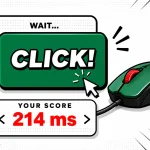
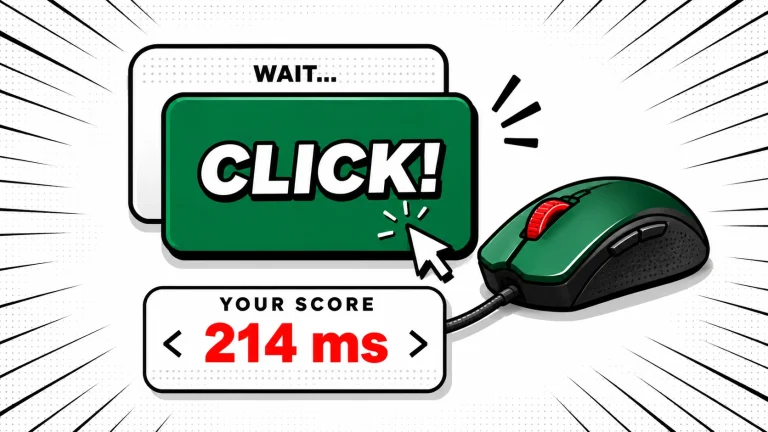
Run three five-attempt sessions using the GamingImba reaction time test. Record the session averages and use the middle value as your baseline. Keep false starts in your notes rather than ignoring them: getting faster by guessing is not the same as getting faster at reacting.
A 15-minute practice routine
| Time | Drill | What to track |
|---|---|---|
| 3 minutes | Visual reaction test | Average and false starts |
| 4 minutes | Slow, accurate target acquisition | Hits and misses |
| 4 minutes | Random target appearances | Accuracy at a comfortable speed |
| 4 minutes | Game-specific practice | Correct decisions and positioning |
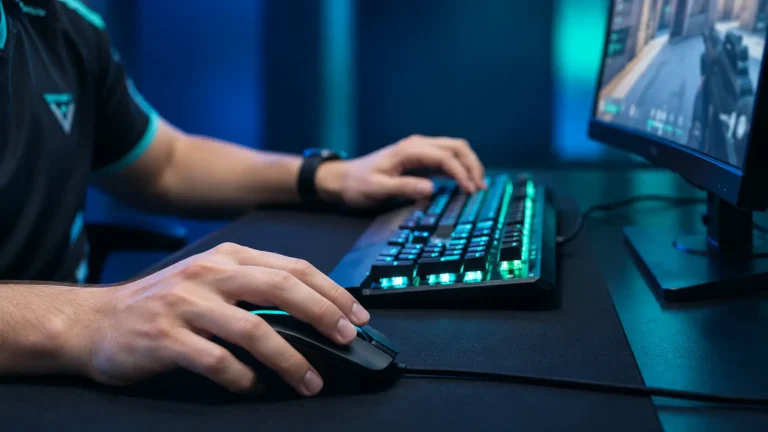
Use an in-game practice range or an aim trainer for the middle drills. Begin at a pace where you can reliably hit targets, then increase speed gradually. If accuracy collapses, reduce the pace. The aim is a useful balance, not the highest possible number of clicks.
Train the decision, not just the click
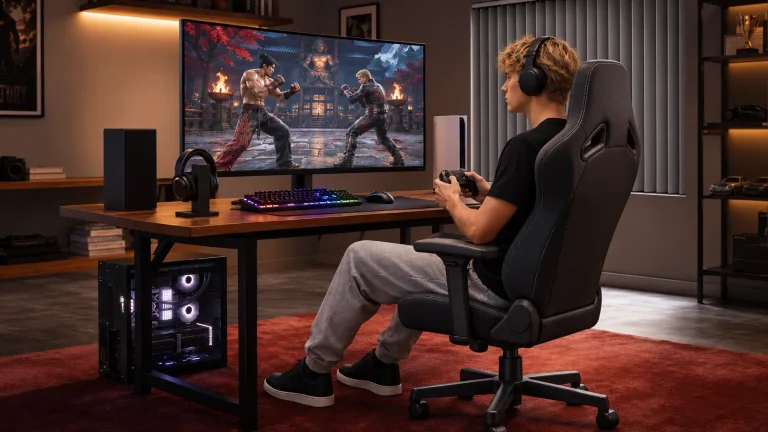
In a tactical shooter, practice holding an angle and firing only when a valid target appears. In an arena shooter, alternate between tracking moving targets and switching to newly appearing ones. In a fighting game, practice recognizing two or three distinct attacks and choosing the corresponding response.
These drills involve different skills. Improving on a green-screen test does not guarantee a proportional improvement in matches, so evaluate both separately.
Remove unnecessary delays
Check that your monitor is actually running at its intended refresh rate. Keep your mouse sensitivity stable rather than changing it every session; our eDPI calculator can help compare settings. If input feels sluggish, read our guide on reducing gaming input lag before buying new hardware.
Track progress over two weeks
Try the routine on several days each week and take breaks when tired. Record baseline scores before training, not only after warming up. Compare the first few sessions with the last few, including accuracy and false starts. Sleep, attention and normal day-to-day variability can affect results, so avoid judging progress from one session.
If the numbers improve but your match decisions do not, change the game-specific drill instead of adding more reflex-test repetitions. That is the part of the routine most likely to reveal whether your practice is relevant to your gameplay.

The GamingImba Editorial Team covers gaming news, in-depth guides, gaming hardware, industry trends, esports and more. Our goal is to provide accurate, practical, and reliable content that helps gamers stay informed and get more out of their gaming experience.