The Lenovo IdeaPad 5 isn’t exactly the first laptop that comes to mind when someone mentions fantasy RPGs. With an Intel Core i5-1135G7, Intel Iris Xe graphics, and 16 GB of RAM, it’s better suited to everyday tasks than modern gaming. But that doesn’t mean you’re stuck with simple games or titles that look like they belong on a phone.
The trick is knowing what to install.
I wouldn’t waste much time trying to make the latest graphics-heavy RPGs work on this laptop. There are already plenty of older games with excellent stories, fascinating worlds, and enough content to keep someone occupied for weeks. Some have aged better than others, of course, and a few need a little attention to run properly on Windows 11.
For this list, I’ve picked ten fantasy RPGs that are worth considering for this particular hardware. I wanted variety, so there are open-world adventures, traditional party-based RPGs, and a couple of games where fighting monsters and collecting equipment take priority over lengthy conversations.
One thing worth mentioning before we get into the games: these recommendations are based on system requirements and the capabilities of Intel Iris Xe, not FPS tests conducted on this exact laptop. I’ll include suggested settings further down, along with the games that are likely to cause the most trouble.
1. Dragon Age: Origins – Ultimate Edition
Dragon Age: Origins doesn’t make things easy for its characters. The kingdom of Ferelden is facing another Blight, an invasion of monstrous darkspawn that threatens to destroy entire settlements. You’re recruited into the Grey Wardens, an order tasked with stopping the threat, although your journey can begin in several very different ways.
Those different beginnings are one of the things I like most about the game’s design. A human noble has a very different introduction from a city elf or a dwarven commoner. By the time everyone arrives at the central storyline, they’ve already experienced events that help explain their place in the world.
Your companions are just as important. Alistair, Morrigan, Leliana, and the others aren’t there simply to fill empty positions in your party. They have opinions, arguments, personal quests, and reasons to disagree with you. Making a decision that seems perfectly reasonable can seriously damage a relationship with someone you’ve been travelling with for hours.
Combat is slower and more tactical than in modern action RPGs. You can pause battles, give orders, and decide how your companions should behave. It’s not especially difficult to understand, but players expecting fast swordplay might need some time to adjust.
Released in 2009, Dragon Age: Origins is a comfortable match for the Lenovo’s hardware. The more awkward part can be getting an older PC game to behave on Windows 11. GOG’s updated edition includes compatibility and memory improvements, while other releases may still need some troubleshooting.
I’d put this near the top of the list for anyone who cares about characters and dialogue. There are flashier fantasy games, but Dragon Age gives you plenty of reasons to become invested in its world.
2. Fable Anniversary
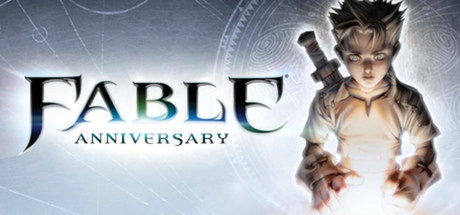
Not every fantasy adventure needs to be dark and serious. Fable Anniversary is a good reminder of that.
Albion is full of strange people, talking statues, dangerous creatures, and villagers who never seem particularly surprised by the bizarre things happening around them. The game begins with a young boy whose home is attacked, eventually sending him on a journey that will shape his reputation across the kingdom.
You can behave like a traditional hero, helping people and earning their admiration, or take a much less respectable path. The game keeps track of your actions, changing the way people react to you. Your appearance can change too, which makes the morality system more entertaining than a simple good-or-evil meter.
There’s quite a bit to do between quests. You can purchase property, learn magic, improve your combat skills, and spend time interacting with the inhabitants of Albion. Some of these systems feel a little dated now, particularly the combat and character animations, but the game’s sense of humor makes them easier to forgive.
Fable Anniversary is the 2014 update of the original game, with improved graphics and audio. It isn’t particularly demanding by modern standards, although the updated visuals mean it’s not quite as lightweight as the original release.
I’d start with medium settings at 900p rather than immediately turning everything up. Another consideration is that the official PC requirements predate Windows 11, so compatibility is worth checking before purchasing.
If Dragon Age feels too serious, Fable might be exactly what you’re looking for. It’s a much more playful adventure, and Albion is an enjoyable place to spend a few evenings.
3. The Elder Scrolls IV: Oblivion – Game of the Year Edition
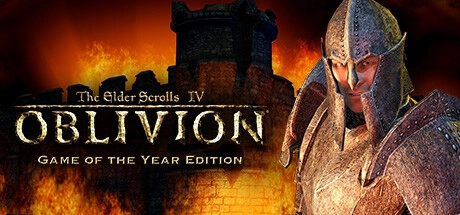
One of the best things about Oblivion is how easily you can become distracted.
You might leave the Imperial City intending to complete a quest, notice an unfamiliar ruin in the distance, and spend the next hour exploring somewhere you never planned to visit. By the time you return to the road, you’ve forgotten what you were supposed to be doing.
The main story involves the assassination of Emperor Uriel Septim VII and portals opening into the dangerous realm of Oblivion. It’s an important part of the adventure, but the freedom to explore Cyrodiil is what makes the game memorable.
There are several factions to join, each with its own quests. The Mages Guild is an obvious attraction for anyone who enjoys playing spellcasters, while the Thieves Guild and Dark Brotherhood offer very different experiences. You can also explore caves, collect equipment, buy houses, and discover the many odd situations that Bethesda’s older RPGs are famous for.
Oblivion certainly shows its age. The faces can look strange, conversations sometimes feel unintentionally funny, and its enemy-scaling system can create frustrating situations as you level up. None of that prevents it from being an enjoyable RPG, but it’s worth knowing what you’re getting into.
For Intel Iris Xe, the original 2006 game is a much better choice than the modern remake. Its hardware requirements are modest, so there’s a reasonable chance of enjoying it at 1080p without sacrificing too much visual quality.
Make sure you’re getting the original Oblivion Game of the Year Edition, not Oblivion Remastered from 2025. The remaster is a substantially more demanding game and doesn’t belong in the same hardware category.
The older version may require compatibility adjustments on Windows 11, but I’d still choose it over Skyrim if getting comfortable performance on this laptop were my main priority.
4. The Elder Scrolls V: Skyrim Special Edition
Skyrim needs a little more explanation because it’s probably the most recognizable game here, but it’s also one of the least straightforward recommendations for this laptop.
The world is enormous. Snow-covered mountains, ancient Nordic tombs, isolated settlements, and dragon attacks create the sort of environment that makes exploration enjoyable even when you’re not working toward a particular objective.
You play as the Dragonborn, but the game rarely forces you to behave like a traditional hero. You can join the College of Winterhold and learn magic, become an assassin, work your way through the Thieves Guild, or simply travel around finding caves and ruins to explore.
Its character progression is one of the reasons Skyrim became so popular. Rather than choosing a fixed class at the beginning, you improve skills by using them. Someone who begins with a sword might eventually become a powerful mage, or discover that sneaking around with a bow is much more entertaining.
The Special Edition includes visual improvements over the 2011 original, and those improvements come at a cost. Its official minimum graphics requirements name dedicated video cards, so Intel Iris Xe isn’t a guaranteed match.
I’d try 720p with low settings first. There are demonstrations of Skyrim Special Edition running on hardware similar to the i5-1135G7 and Iris Xe combination, including at 1080p Low, but that doesn’t establish reliable performance across the entire game. Large settlements and outdoor environments can be much more demanding than quiet interiors.
Heavy graphics mods are another thing I’d avoid. Skyrim has an enormous modding community, but installing high-resolution textures and advanced lighting effects defeats the purpose of choosing a game for modest hardware.
It’s worth including Skyrim because there really is so much to see and do. Just don’t expect it to be as effortless to run as Oblivion or the older party-based RPGs on this list.
5. Divinity: Original Sin – Enhanced Edition
Divinity: Original Sin begins with a murder investigation in Cyseal, but it doesn’t take long before the case turns into something much stranger. You’ll encounter dangerous magic, peculiar characters, and situations that rarely have just one solution.
What I find particularly appealing about Divinity is how much freedom it gives you during combat. Battles take place on turns, so there’s time to think rather than react immediately. The environment matters as much as the abilities you’ve unlocked.
A pool of water can become dangerous when electricity is involved. Oil can be set alight, ice can send enemies slipping, and positioning your party poorly can turn a manageable fight into a disaster. It’s possible to lose an encounter simply because you didn’t notice what was happening around you.
This makes the early hours a little unforgiving. You’ll probably need to experiment with your party, learn how spells interact, and occasionally rethink your approach. Fortunately, discovering clever solutions is much of the fun.
Outside combat, the game has plenty of dialogue, puzzles, and exploration. The two main characters can even disagree with each other, an unusual feature that works particularly well when playing cooperatively with another person.
The Enhanced Edition dates from 2015 and has fairly modest requirements compared with modern RPGs. The Lenovo should be a reasonable platform for it, although detailed environments and busy battles are worth keeping in mind. Starting at 900p with low or medium settings makes more sense than assuming the highest settings will work perfectly.
Divinity is a good fit for someone who enjoys solving problems and doesn’t mind spending time learning a combat system. It’s less suitable if all you want is to run into a room and start swinging a sword.
6. Neverwinter Nights: Enhanced Edition
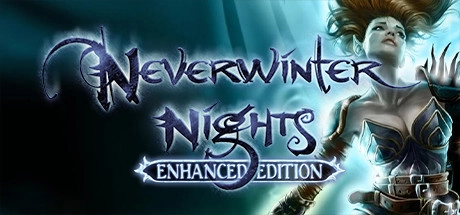
Neverwinter Nights might not impress anyone judging games purely by screenshots. Its original 3D graphics have aged, the character animations are stiff, and the early sections can feel slower than most modern RPGs.
There’s a lot more to it than the presentation suggests, though.
The game is set in the Forgotten Realms, the familiar setting of many Dungeons & Dragons adventures. Its original campaign starts in the city of Neverwinter, where a deadly plague has created a crisis. Your character becomes involved in the search for a cure, eventually uncovering a much larger threat.
Character creation is one of the main attractions. You can choose different races and classes, develop specialized abilities, and build a character around a particular fighting style. The rules are based on the third edition of Dungeons & Dragons, so there are plenty of things to consider.
The campaign itself can be uneven. Some quests are much more interesting than others, and the companions don’t always feel as developed as those in Dragon Age. What keeps Neverwinter Nights relevant is the enormous amount of additional content.
The game has supported community-created adventures for years, and the Enhanced Edition maintains access to that tradition. You can find everything from short standalone stories to extensive campaigns, giving it a life beyond the original adventure.
Its official minimum requirements include Windows 11, 4 GB RAM, and OpenGL 3.3-compatible graphics with a 2 GB video memory requirement. Iris Xe supports modern OpenGL features and uses shared system memory, but actual compatibility and performance should still be checked.
I’d start at 1080p using the default settings, without additional high-resolution visual packs.
For anyone interested in traditional Dungeons & Dragons rather than modern cinematic RPGs, Neverwinter Nights is worth a look. The community content is arguably its biggest selling point.
7. Pillars of Eternity
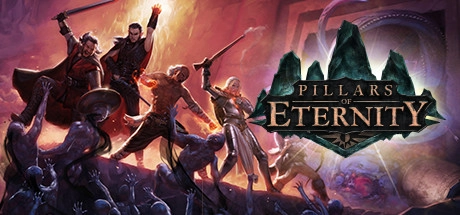
Pillars of Eternity asks a little more patience from its players than most games on this list.
The opening hours introduce an unfamiliar world filled with political tensions, religious disputes, and strange events involving souls. You’re eventually drawn into the mystery after becoming a Watcher, someone capable of perceiving souls and experiencing memories from other lives.
There’s plenty to read. Characters discuss their beliefs, argue about history, and react to situations in ways that aren’t always easy to predict. The game rarely treats difficult decisions as simple choices between a heroic and an evil response.
The amount of dialogue might put off someone looking for nonstop action, but I think the writing is precisely why Pillars of Eternity deserves attention. Eora feels like a place with its own history rather than a collection of locations built around the player.
You control a party of adventurers, each with different abilities and responsibilities. Originally, battles took place in real time with the option to pause and issue commands. In April 2026, Obsidian added a full turn-based mode to the original game, allowing players to switch between the two approaches.
Visually, Pillars uses detailed environments viewed from an overhead perspective. The artwork can be beautiful, particularly in towns and wilderness areas, without requiring the same sort of graphics hardware as a large modern open-world game.
I’d try 1080p at medium settings first, then reduce visual effects if larger fights cause noticeable slowdowns.
If you enjoy the atmosphere and character interactions of Dragon Age but would prefer a more traditional computer RPG, Pillars of Eternity is a natural game to try next.
8. Torchlight II
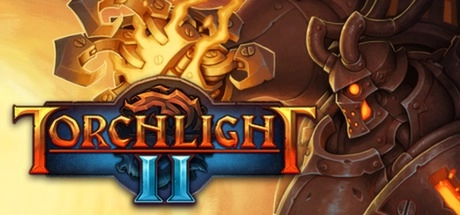
Sometimes you don’t want to spend half an hour reading dialogue or deciding which noble family to support. You just want to enter a dungeon, defeat monsters, and see what equipment they drop.
That’s where Torchlight II comes in.
The game is a colorful action RPG with four playable classes, plenty of monsters, and a steady supply of weapons, armor, and other useful items. The basic routine is simple: explore, fight, collect equipment, improve your character, and see what comes next.
There is a story, but it isn’t particularly complicated, and the game doesn’t pretend otherwise. Most of the enjoyment comes from developing new abilities and experimenting with different character builds.
Your pet is a surprisingly useful companion. It can help in combat and carry unwanted equipment back to town to sell, meaning you don’t have to interrupt an adventure every time your inventory fills up.
Torchlight II also has a visual style that has aged nicely. Its bright colors and exaggerated characters work well without realistic lighting or complicated graphics effects.
Released in 2012, it’s one of the least demanding games here. High settings at 1080p are a reasonable starting point for Iris Xe, although particularly busy fights can still put additional pressure on the system.
Of all ten games, this is one I’d be comfortable suggesting to someone who doesn’t want to spend much time adjusting graphics settings. It’s also a good multiplayer choice.
The main limitation is that its gameplay can become repetitive if collecting better equipment doesn’t interest you. But if that’s the sort of RPG you enjoy, there’s a lot to keep you occupied.
9. Titan Quest Anniversary Edition
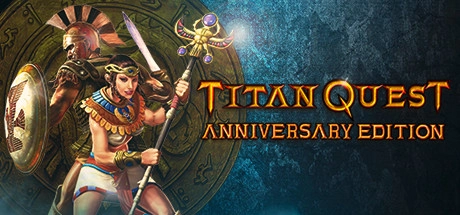
Titan Quest takes us away from the usual castles and medieval kingdoms and into a world inspired by ancient mythology.
The adventure begins in Greece before moving into Egypt and Asia. Along the way you’ll encounter satyrs, gorgons, undead creatures, and numerous other enemies drawn from mythological traditions. Ancient temples, forests, and deserts provide a welcome change from the environments we’re used to seeing in fantasy RPGs.
Like Torchlight II, Titan Quest is mostly about fighting monsters and developing your character. There are quests and a larger story, but you’re likely to spend more time looking at your equipment and planning your abilities than making important dialogue choices.
The mastery system is particularly interesting. You eventually combine two different masteries, which allows for a wide range of character builds. A warrior can gain magical abilities, while a spellcaster might develop skills that make them surprisingly effective in close combat.
Titan Quest Anniversary Edition brings together the original game and its Immortal Throne expansion, with improvements made to the older release. There are also newer expansions, though those shouldn’t automatically be expected to perform exactly like the original content.
The basic game is a sensible choice for Intel Iris Xe. I’d start at 1080p with medium settings, then see whether there’s room to increase the details. High settings may also be practical in some areas.
I would choose Titan Quest over Torchlight II if ancient mythology and a more grounded visual style appealed to me. Torchlight is generally easier to get into, but Titan Quest has a setting that makes it stand apart.
10. Baldur’s Gate: Enhanced Edition
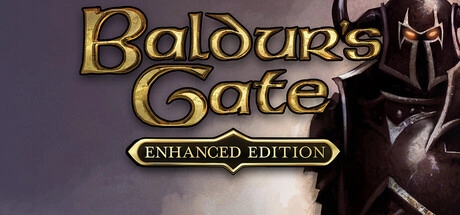
Baldur’s Gate is old enough that some players will immediately dismiss it after looking at its screenshots. That’s a shame, because underneath those dated visuals is an RPG that influenced an enormous number of games released after it.
The story begins in Candlekeep, where your character has lived under the protection of a guardian named Gorion. After a series of unexpected events, you leave the safety of the fortress and begin travelling across the Sword Coast.
There’s a much larger story waiting to be uncovered, but you’ll spend plenty of time meeting potential companions, exploring settlements, dealing with dangerous creatures, and deciding where to go next.
The combat is based on old Dungeons & Dragons rules. You’ll need to think about armor, spells, character classes, and party composition, and some of the systems aren’t especially welcoming to newcomers.
Early encounters can be surprisingly dangerous. A low-level character isn’t particularly powerful, and charging into every fight without preparation is a reliable way to get into trouble.
But there’s something satisfying about gradually understanding how everything works. Once you know what your companions can do and which spells are useful, battles that seemed impossible become much more manageable.
The Enhanced Edition improves the original presentation and supports modern systems, including Windows 11. Its hardware requirements are extremely low compared with almost everything else in this article.
I’d use the laptop’s native 1080p resolution and adjust the interface scaling if the text or menus feel too small. Graphics performance is unlikely to be the main concern here.
Baldur’s Gate isn’t the game I’d give to someone looking for flashy combat or realistic characters. For a long traditional RPG with plenty of exploration and a story worth following, however, it’s still a strong option.
Which Games Should Run Best on Intel Iris Xe?
Not all ten games place the same demands on the laptop. Baldur’s Gate and Torchlight II are much safer choices than Skyrim Special Edition, which asks considerably more from the integrated graphics.
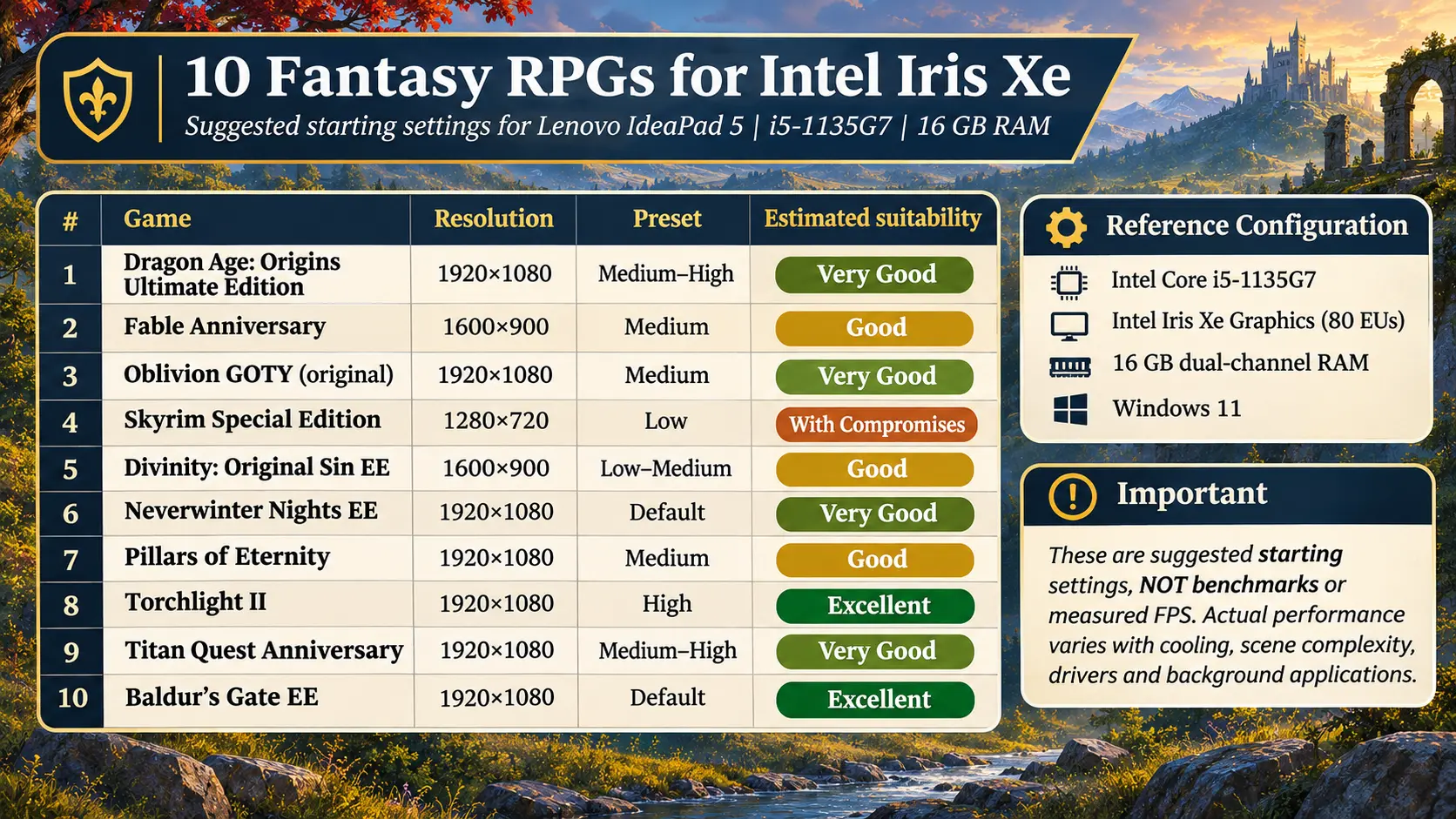
The following settings are where I’d begin. They aren’t measured benchmarks, and it’s worth making small adjustments once you’ve played through a few different areas.
| Game | Suggested Resolution | Settings | Expected Suitability |
| Dragon Age: Origins Ultimate Edition | 1920×1080 | Medium–High | Very Good |
| Fable Anniversary | 1600×900 | Medium | Good |
| Oblivion GOTY (Original) | 1920×1080 | Medium | Very Good |
| Skyrim Special Edition | 1280×720 | Low | With Compromises |
| Divinity: Original Sin EE | 1600×900 | Low–Medium | Good |
| Neverwinter Nights EE | 1920×1080 | Default | Very Good |
| Pillars of Eternity | 1920×1080 | Medium | Good |
| Torchlight II | 1920×1080 | High | Excellent |
| Titan Quest Anniversary | 1920×1080 | Medium–High | Very Good |
| Baldur’s Gate EE | 1920×1080 | Default | Excellent |
The ratings describe how suitable each game appears for this hardware, not a tested average FPS. A particular scene, a graphics driver issue, or a demanding spell effect can still cause problems.
It’s also worth remembering that the laptop’s 16 GB RAM is shared with the integrated graphics. If you’re running several applications in the background, close the ones you don’t need before starting a game.
Playing with the charger connected can help, as can keeping the laptop on a hard surface where air can move freely through its cooling vents. For a more demanding title, I’d try lowering shadows and environmental effects before dropping the resolution further.
With older RPGs, there’s one other thing to consider. A game might have very low system requirements and still be awkward to run because it wasn’t originally designed for Windows 11. Always check which edition you’re installing, particularly with Dragon Age: Origins, Oblivion, and Fable Anniversary.
Where I’d Start
There isn’t one RPG here that’s going to appeal to everybody. Someone who loves Dragon Age’s conversations and companions might find Torchlight II repetitive, while a player who enjoys fast combat might lose patience with the slower pace of Baldur’s Gate.
For this particular Lenovo, my first three choices would be Dragon Age: Origins, Oblivion, and Torchlight II.
Dragon Age has the strongest combination of storytelling and character relationships. Oblivion gives you the freedom to wander around a large fantasy world without needing a modern graphics card. Torchlight II is probably the easiest to jump into, especially when you only have an hour to play and don’t want to spend it following a complicated storyline.
I’d leave Skyrim Special Edition until later. It’s certainly worth trying, but there’s no reason to begin with one of the more demanding games when so many others are better suited to the hardware.
And if you’ve never played an old-school RPG, don’t be too quick to dismiss Baldur’s Gate or Neverwinter Nights because of their graphics. They require more patience than modern games, but they also offer plenty of freedom and character customization.
The Lenovo IdeaPad 5 won’t run every fantasy adventure you might want to play. Still, there’s enough here to keep an RPG fan busy for a very long time, without buying a gaming laptop just to get started.

I’m Alex Mercer, a senior gaming and esports writer at GamingImba. I’ve been involved in gaming for as long as I can remember, and for more than a decade I’ve been writing about competitive play, industry trends, and the culture that grows around games.
My work focuses on esports, online gaming platforms, and how technology continues to shape the way people play, compete, and connect. I’m especially interested in meta shifts, balance changes, and the business decisions that influence modern games behind the scenes.
At GamingImba, I aim to break down complex topics in a way that’s clear, honest, and useful—whether that means analyzing a major tournament, exploring new gaming platforms, or looking at how player behavior evolves over time.
I follow global esports scenes closely, experiment with different games and mods in my free time, and enjoy digging into the details that most players notice but rarely stop to question.